
📅 Published on: August 4, 2026
✍️ Author: Luna Vance (Siberian Husky Owner & Canine Care Specialist)
If you share your home with a Siberian Husky, you already know you don’t just own a dog—you live with an independent, high-spirited, furry escape artist who treats every fence as a mere suggestion and every open door as the start of an epic Arctic expedition.
Huskies are legendary for their striking wolf-like appearance, piercing blue or amber eyes, and a dramatic vocal range that can turn a simple morning greeting into a full-scale theatrical performance. But behind that gorgeous double coat and those hilarious “talking” sessions lies a working-dog intelligence that can easily outsmart an unprepared pet parent.
Let’s dive deep into what makes the Husky mind tick, why they are notorious for wandering off, and how modern owners keep up with their boundless energy.
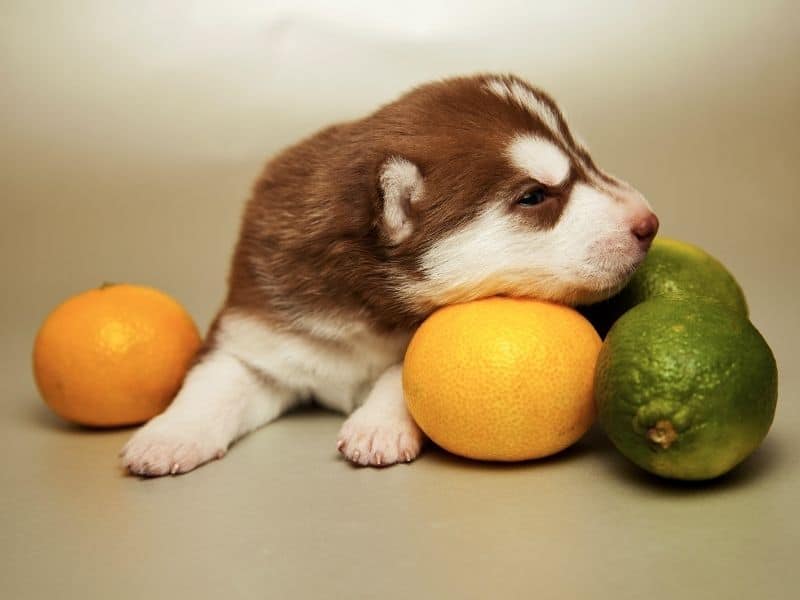
1. The Working-Dog Brain: Why Huskies Act the Way They Do
Bred for centuries by the Chukchi people of Northeast Asia to haul heavy loads across vast, frozen expanses over immense distances, the Siberian Husky was engineered to think independently.
Unlike herding breeds that look to their owners for continuous direction, sled dogs had to make split-second decisions on the ice. That independent streak is hardwired into their DNA today. When your Husky ignores a “come” command in the middle of a park, it’s rarely out of malice—it’s simply millennia of ancestral training telling them, “I’ve got this; let’s keep moving forward.”
Key Traits Every Husky Parent Knows Too Well:
- The High Prey Drive: Their strong instinctual drive means small animals, neighborhood cats, or even squirrels can trigger an instant, high-speed chase.
- The Houdini Complex: A combination of agility, incredible problem-solving skills, and a thick double coat makes them masters of slipping through gates, digging under fences, or scaling unexpected barriers.
- The Great “Blow Coat” Phenomenon: Twice a year, their undercoat sheds in massive, tumbleweed-sized clumps, turning indoor cleaning into an extreme sport.
2. Channeling That Boundless Energy
A bored Husky is a destructive Husky. Because they possess limitless physical stamina, physical exercise alone isn’t always enough—their sharp brains need mental stimulation, too.
- Adventure & Endurance: Standard daily walks around the block won’t cut it. Huskies thrive on long-distance hiking, running, or specialized activities like bikejoring and weight pulling.
- Puzzle Solving & Interactive Play: Introduce puzzle toys, scent-work games, or automated feeders that make them work for their meals. This burns cognitive energy and satisfies their natural foraging instincts.
3. Keeping Up in the Modern Era: Smart Solutions for Husky Parents
Managing a high-energy, adventure-loving breed in a modern suburban or urban setting requires a mix of patience, secure boundaries, and smart tracking technology.
Today, many Husky owners rely on advanced tools—such as high-frequency GPS tracking collars and heavy-duty grooming appliances—to keep their escape artists safe and their homes fur-free. Knowing where your dog is the second they test a backyard gate provides invaluable peace of mind.
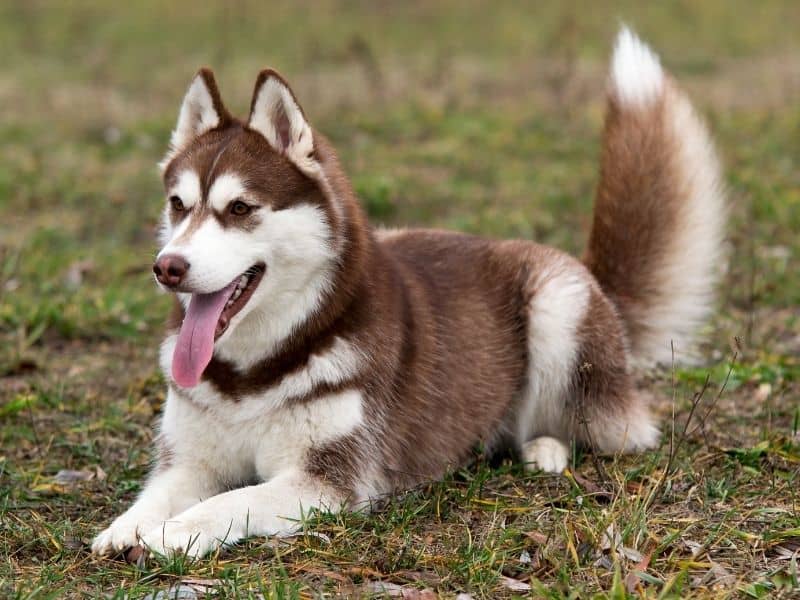
Comparison: The Husky Reality vs. Myth
| Myth | Reality | How to Handle It |
| “Huskies are just like wolves and need extreme cold.” | They adapt well to warmer climates thanks to their dual coat, but they struggle heavily with high humidity and heat exhaustion. | Provide air-conditioned indoor spaces, avoid intense midday runs in summer, and monitor hydration closely. |
| “They can be trained off-leash easily if they love you.” | Their independent prey drive and recall stubbornness make off-leash walking a major risk for bolting. | Always use secure long lines in open areas and invest in reliable GPS tracking gear. |
| “Grooming is just a quick brush once a week.” | Shedding season requires hours of undercoat raking to prevent painful matting and fur accumulation. | Use specialized de-shedding rakes, high-velocity blow dryers, and heavy-duty robotic vacuums at home. |
Decoding the Husky Mindset: Why Siberian Huskies Are the Ultimate Canine Escape Artists (and How to Outsmart Them)
If you share your home with a Siberian Husky, you already know you don’t just own a dog—you live with an independent, high-spirited, furry escape artist who treats every fence as a mere suggestion and every open door as the start of an epic Arctic expedition.
Huskies are legendary for their striking wolf-like appearance, piercing blue or amber eyes, and a dramatic vocal range that can turn a simple morning greeting into a full-scale theatrical performance. But behind that gorgeous double coat and those hilarious “talking” sessions lies a working-dog intelligence that can easily outsmart an unprepared pet parent.
Let’s dive deep into what makes the Husky mind tick, why they are notorious for wandering off, and how modern owners keep up with their boundless energy and unique physiological needs.
1. The Working-Dog Brain: Why Huskies Act the Way They Do
Bred for centuries by the Chukchi people of Northeast Asia to haul heavy loads across vast, frozen expanses over immense distances, the Siberian Husky was engineered to think independently.
Unlike herding breeds that look to their owners for continuous direction, sled dogs had to make split-second decisions on the ice. That independent streak is hardwired into their DNA today. When your Husky ignores a “come” command in the middle of a park, it’s rarely out of malice—it’s simply millennia of ancestral training telling them, “I’ve got this; let’s keep moving forward.”
Key Traits Every Husky Parent Knows Too Well:
- The High Prey Drive: Their strong instinctual drive means small animals, neighborhood cats, or even squirrels can trigger an instant, high-speed chase.
- The Houdini Complex: A combination of agility, incredible problem-solving skills, and a thick double coat makes them masters of slipping through gates, digging under fences, or scaling unexpected barriers.
- The Great “Blow Coat” Phenomenon: Twice a year, their undercoat sheds in massive, tumbleweed-sized clumps, turning indoor cleaning into an extreme sport.
2. Channeling That Boundless Energy and Cognitive Drive
A bored Husky is a destructive Husky. Because they possess limitless physical stamina, physical exercise alone isn’t always enough—their sharp brains need mental stimulation, too.
- Adventure & Endurance: Standard daily walks around the block won’t cut it. Huskies thrive on long-distance hiking, running, or specialized activities like bikejoring, scootering, and weight pulling.
- Puzzle Solving & Interactive Play: Introduce puzzle toys, scent-work games, or automated feeders that make them work for their meals. This burns cognitive energy and satisfies their natural foraging instincts.
- Social Dynamics: As pack-oriented animals, they heavily crave companionship. Long periods of isolation often manifest as destructive chewing, intense howling, or renewed escape attempts.
3. Demystifying the Double Coat: Comprehensive Grooming Management
Managing a double-coated Arctic breed requires an understanding of how their fur actually works to insulate them against both extreme cold and summer heat.
- Anatomy of the Coat: The outer guard hairs protect against moisture, dirt, and UV rays, while the dense undercoat traps air to regulate body temperature. Shaving a Husky damages this natural system and ruins their ability to cool themselves properly.
- Seasonal Maintenance: During blow-coat season, daily brushing with an undercoat rake and slicker brush is mandatory. Many owners utilize high-velocity pet dryers to blast out loose dead fur efficiently before it settles across carpets and furniture.
4. Modern Safety, Nutrition, and Training for the Independent Canine
Owning a breed with a high propensity for roaming requires a multi-layered approach to security, diet, and reinforcement training.
- Escape-Proof Infrastructure: Traditional wooden fences may not suffice. Many owners upgrade to six-foot-tall, coyote-roller-equipped fencing or bury wire mesh below ground to stop digging artists in their tracks.
- Nutritional Demands: Working metabolism requires high-quality, protein-rich diets with balanced fatty acids to maintain skin health and coat luster during heavy shedding phases.
- Positive Reinforcement Challenges: Because they lack the intense desire to please humans found in some other breeds, training requires high-value treats, extreme patience, and creative engagement rather than repetitive drills.

Comparison: The Husky Reality vs. Myth
| Myth | Reality | How to Handle It |
| “Huskies are just like wolves and need extreme cold.” | They adapt well to warmer climates thanks to their dual coat, but they struggle heavily with high humidity and heat exhaustion. | Provide air-conditioned indoor spaces, avoid intense midday runs in summer, and monitor hydration closely. |
| “They can be trained off-leash easily if they love you.” | Their independent prey drive and recall stubbornness make off-leash walking a major risk for bolting. | Always use secure long lines in open areas and invest in reliable GPS tracking gear. |
| “Grooming is just a quick brush once a week.” | Shedding season requires hours of undercoat raking to prevent painful matting and fur accumulation. | Use specialized de-shedding rakes, high-velocity blow dryers, and heavy-duty robotic vacuums at home. |
| “Huskies make great guard dogs because they look tough.” | They are notoriously friendly and will often greet intruders or strangers with tail wags rather than aggression. | Rely on proper home security systems rather than expecting protective watchdog behavior. |
| “They love being left alone in a quiet backyard.” | Isolation triggers separation anxiety, chronic howling, and relentless fence-testing out of sheer boredom. | Ensure rigorous daily exercise and provide interactive mental enrichment toys when away. |